
[ About Ryukyu Indigo ]

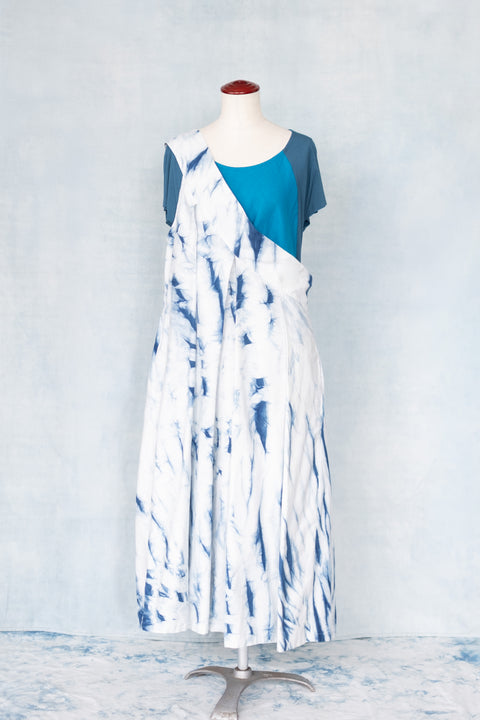
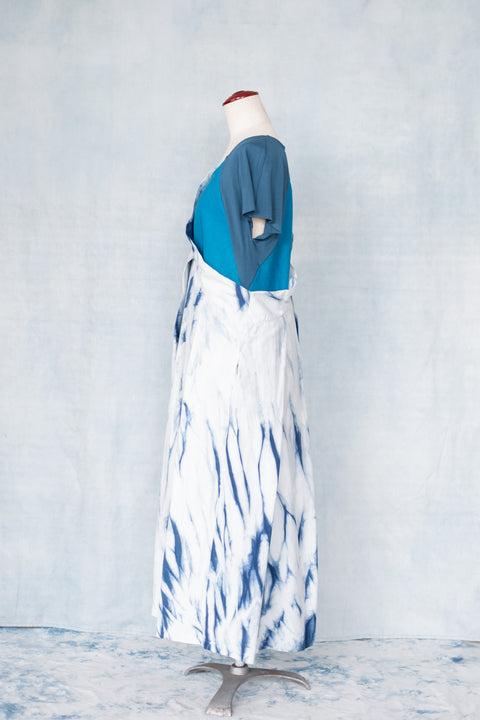
Ryukyu indigo (Ryukyu-ai) has been cultivated in Okinawa since ancient times and is used as a dye for indigo dyeing; it is an indispensable dye for Okinawa’s traditional dyed textiles.

The cultivation process is grueling, requiring meticulous management and technical expertise to grow high-quality indigo leaves, as well as the physical and mental stamina to endure the heavy labor involved in the indigo-making process. Furthermore, discerning the optimal fermentation stage during dye production demands years of experience and skill.

In stark contrast to this labor-intensive, handcrafted indigo production, this dyeing method has fallen largely out of use since the widespread adoption of inexpensive, chemically synthesized indigo, which has become readily available over time.

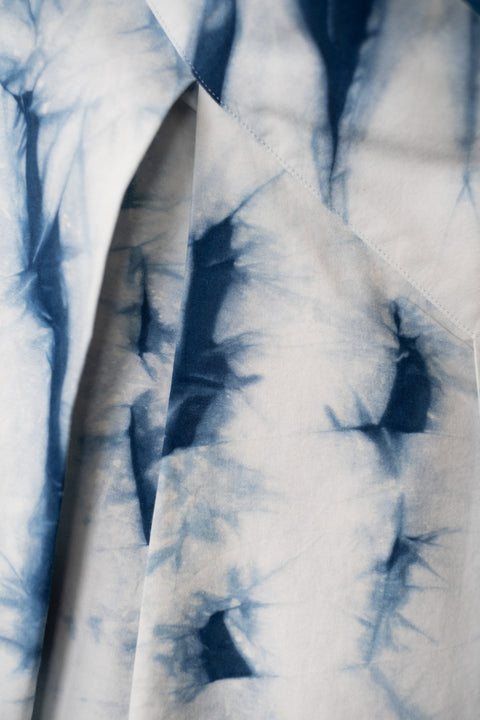
We believe that Ryukyu indigo—created by carefully repeating the process of dyeing and washing each piece by hand, one by one, using methods passed down through generations—embodies the colors of Okinawan culture, with its unique texture and the distinct depth of color found in each individual piece, qualities that cannot be replicated by chemical dyes.

For more information about Ryukyu indigo and how to care for indigo-dyed items, please click here.

Important Notes

  • Please note that the actual color of the product may differ from the product images due to your monitor settings, room lighting, and other factors.
  • Since each item is dyed individually, some shrinkage may occur.
Handling Instructions
  • ・ Since these items are hand-dyed, there may be slight variations between pieces.
  • ・ Please enjoy the uneven color transitions that are characteristic of natural dyeing. This unique, uneven texture is the most distinctive feature that cannot be replicated with chemical dyes.
  • ・ Please note that, as these indigo-dyed items are naturally dyed, the color may rub off onto your skin or transfer to other fabrics (such as tops or bags) during the first few wears. Although we have applied a color-fixing treatment to prevent this, please understand that this is an inherent characteristic of natural dyeing.
  • ・ These items fade very easily when exposed to sunlight, so please store them in a place away from direct sunlight.
  • ・ Upon arrival, the surface may show traces of tannins—a characteristic of indigo dyeing—which may cause a slight odor or a yellowish-brown discoloration. If this occurs, please follow the care instructions below before wearing the item. As the tannins are removed, the vibrant color unique to natural indigo dyeing will become more pronounced.
Initial Care (How to Remove Bitter Tastes)

*We recommend soaking the product in hot water once every 1 to 3 months to remove impurities.

1. Soak the product thoroughly in water at approximately 40°C for 20 to 30 minutes.

2. As impurities are released, the water will turn yellowish-brown. If any excess indigo remains, the water will turn blue.

3. Rinse the item 2–3 times, changing the water each time.

4. Repeat steps 1–3 twice.

5. Spin-dry thoroughly and let it air dry.


• “Removing tannins” refers to the process of removing impurities other than indigo from the indigo dye. This brings out the true blue color of indigo dye and helps reduce fading caused by UV rays.

• Blue dye may stain the surface of the bowl or sink used for rinsing, but it can be removed by scrubbing with a sponge or similar item.

Daily Care

・Wash in water; if possible, hand-wash gently.
・Avoid dry cleaning.
・For the first few washes, wash separately from other garments. There is a risk of color transfer.
・After that, you may wash it with dark-colored items or wash it separately.
・It is recommended to use a neutral detergent that does not contain bleach or optical brighteners. Alternatively, please use a specialized detergent designed to prevent color fading.