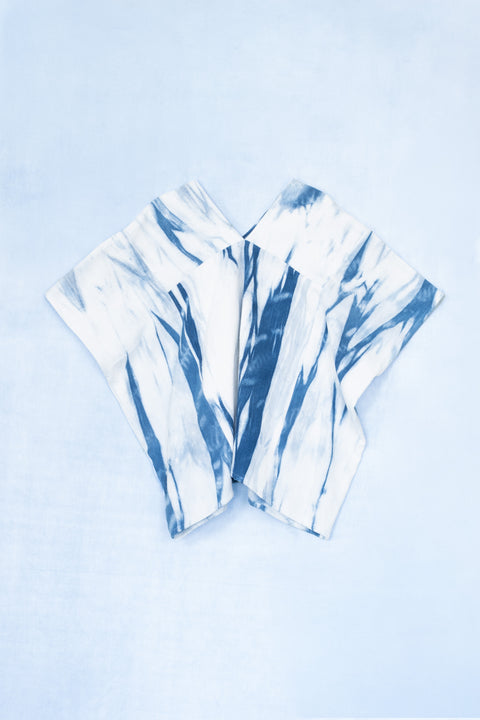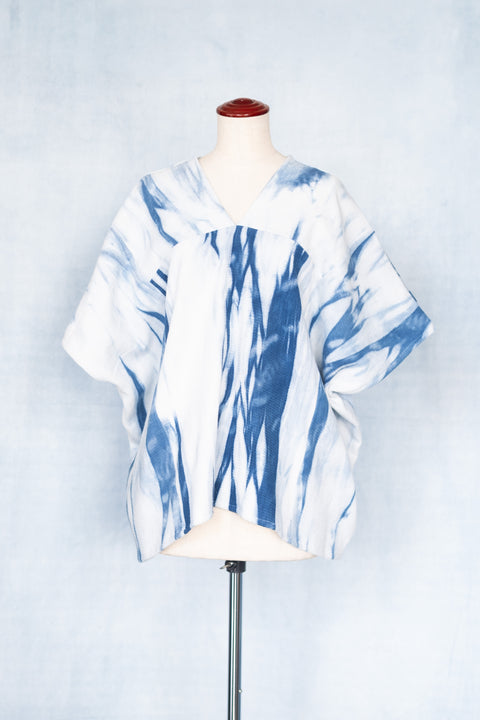
Ryukyu-indigo

The Charm of Ryukyu-indigo
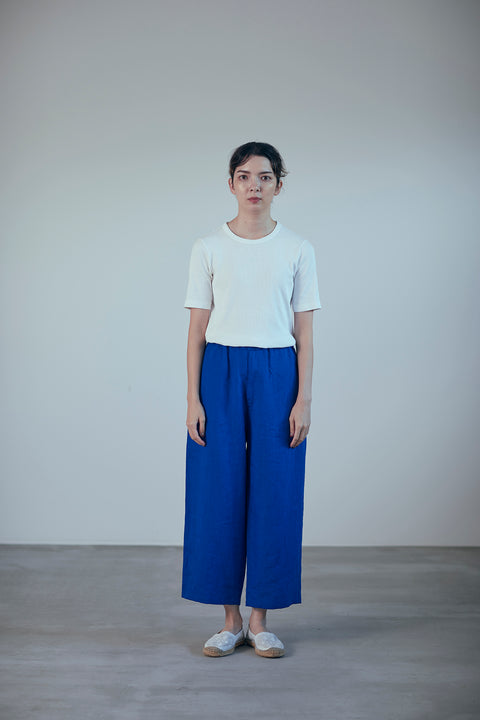
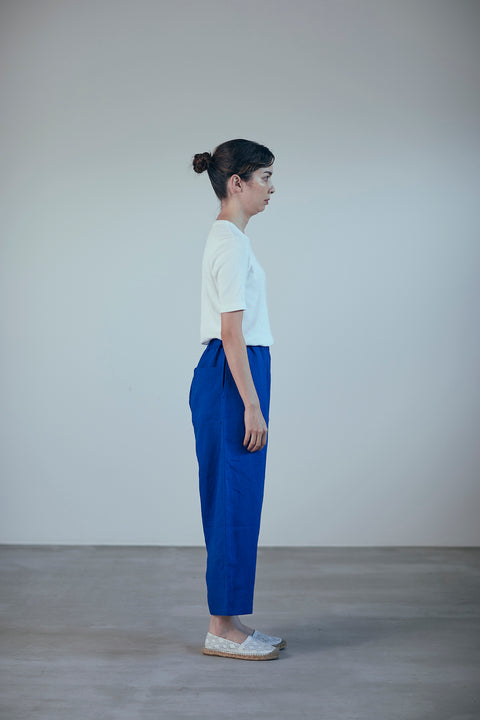
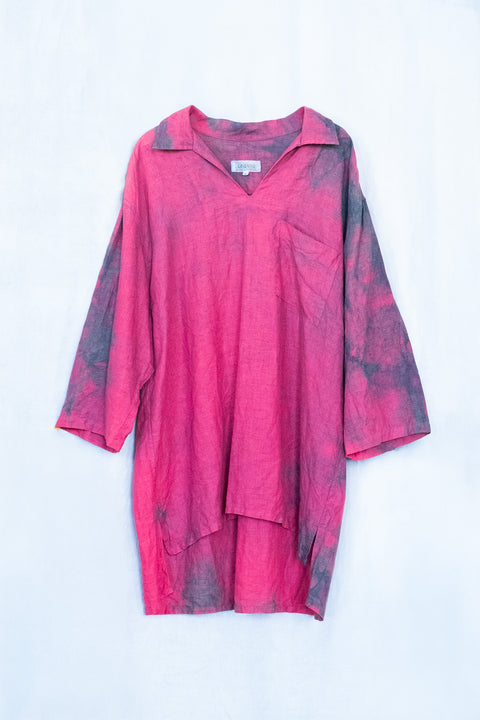
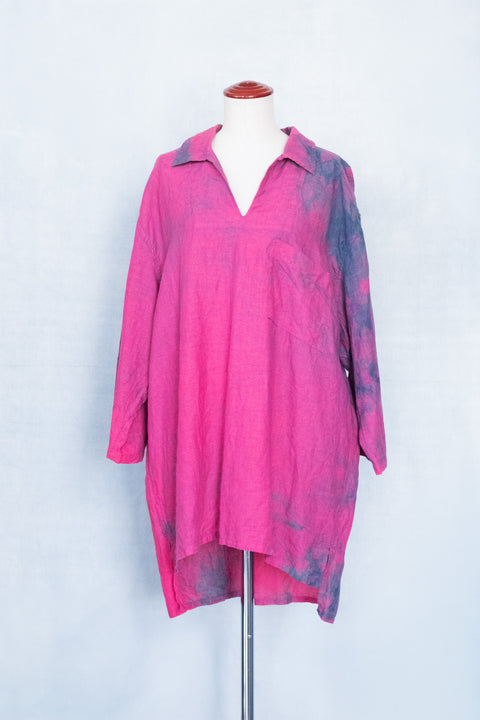
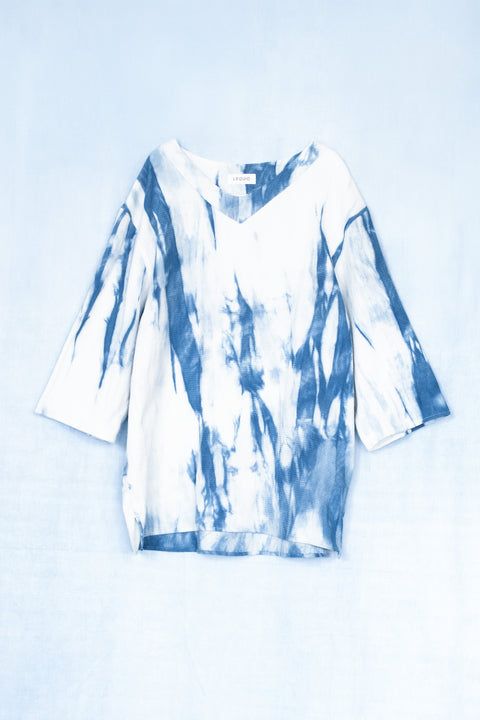
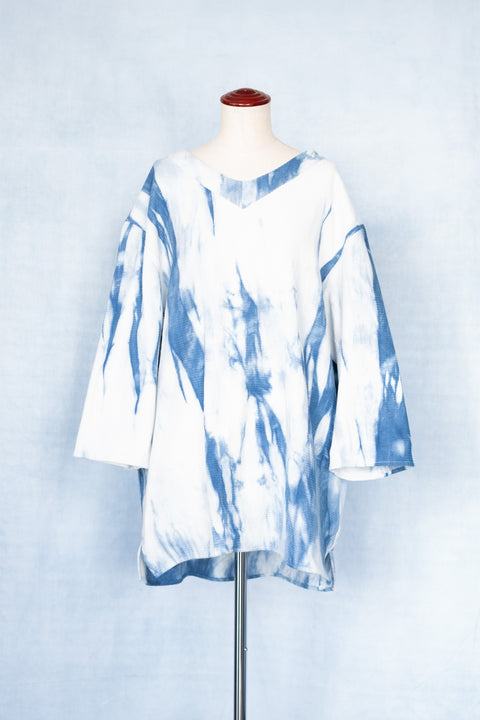
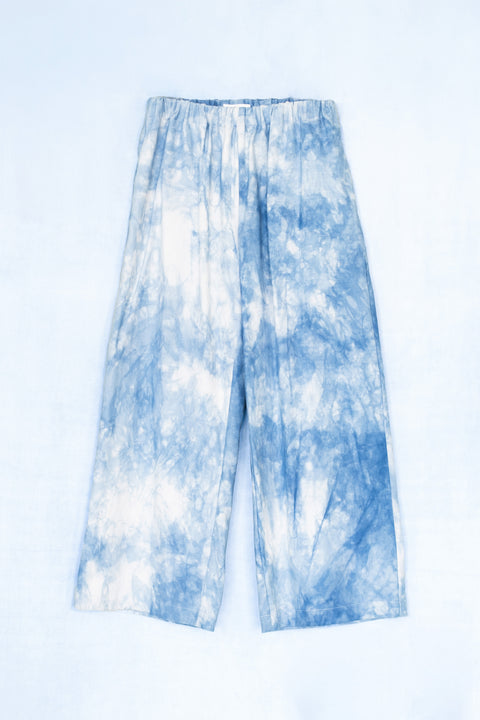
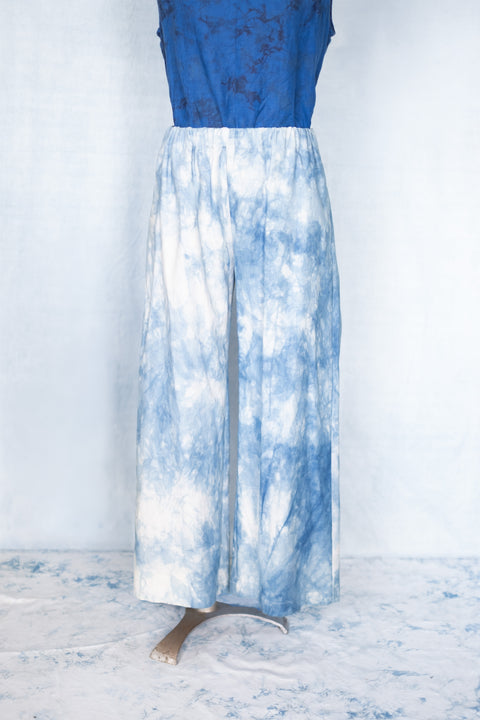
Ryukyu indigo (Ryukyu-ai) is a type of indigo traditionally cultivated in the Nansei Islands, primarily in Okinawa Prefecture. The term refers to the plant used as a raw material for indigo dyeing, as well as the dye itself and the dyeing techniques associated with it. Ryukyu indigo is a valuable resource that symbolizes Okinawa’s traditions and culture, and it possesses a charm that allows one to experience the history of the Ryukyu Islands.
History:
It is believed that the cultivation of Ryukyu indigo was introduced to Okinawa from Southeast Asia around the 13th to 14th centuries, and the culture of indigo dyeing flourished beginning in the 15th century during the Ryukyu Kingdom era. During this period, production was encouraged under the supervision of the royal court, and indigo-dyed fabrics were exported to China and Southeast Asia as important trade goods, where they were prized as “Ryukyu Blue.” During this period, Ryukyu indigo dyeing techniques evolved and began to be applied to other dyeing methods, such as “Bingata.” By the 18th and 19th centuries (the late Ryukyu Kingdom period), unique dyeing cultures such as “Aigata-zome” and “Bingata-zome” had become firmly established. With the abolition of the Ryukyu Kingdom following the Ryukyu Disposition and the end of the royal government’s oversight of the indigo industry, indigo dyeing production declined. Furthermore, with the advent of the Meiji era (late 19th century), the widespread use of inexpensive chemical dyes (indigo dyes) caused the production of natural Ryukyu indigo to decline even further. Although many traditional techniques nearly disappeared during World War II, in recent years, there has been a growing movement toward “naturally derived dyes” and the “revival of traditional crafts.” As a result, new indigo-dyed works are being created that incorporate modern sensibilities while preserving traditional techniques.


Characteristics as a Plant:
Ryukyu indigo has low cold tolerance and therefore prefers warm climates like Okinawa’s; it is also highly resistant to strong summer sunlight and humidity. The leaves of Ryukyu indigo contain a compound called “indican,” which serves as the basis for indigo dyeing; when this compound ferments and oxidizes, it transforms into an indigo-blue dye (indigo). As a perennial, once planted, it produces new shoots every year and spreads and grows rapidly, making it easy to propagate. Additionally, because it has large leaves and produces a large quantity of foliage, it is highly efficient at producing dye.
Characteristics as a Dye:
Ryukyu indigo is characterized by a vivid, beautiful, and deep blue color that is more striking than that of typical indigo dyeing. Depending on the number of dyeing sessions and the method used, it is possible to create a wide range of shades of blue. It also offers excellent lightfastness and water resistance, allowing the beautiful color to be preserved for a long time. Its colors are so fast that they can withstand Okinawa’s intense sunlight, and the fabric is resistant to fading. Furthermore, indigo dyeing has long been believed to offer “antibacterial, insect-repellent, deodorizing, and UV-blocking effects,” making it well-suited to Okinawa’s hot climate.


Care Instructions for Ryukyu Indigo-Dyed Products
Because Ryukyu indigo-dyed products use natural dyes, proper care is essential. Since indigo dyeing is a delicate process, please follow the correct care instructions to ensure you can enjoy these items for many years to come.
First-Time Washing Instructions:
When washing for the first time, be sure to wash this item separately from other clothes. In particular, during the first few washes, the indigo dye may not have fully set, which can cause color bleeding. At first, hand-wash this item separately to remove any excess dye. Also, avoid washing it with white clothes or towels. Some products may have specific washing or care instructions, so be sure to check the care label.

Washing:
We recommend hand-washing Ryukyu indigo-dyed products rather than machine-washing them. Wash using water or lukewarm water at 30°C or lower, gently pressing the fabric as you wash. Turn the fabric inside out to prevent fading, and do not use detergents containing optical brighteners or bleach; wash without detergent or use a small amount of neutral detergent.
If using a washing machine, place the item alone in a laundry net and wash on a gentle cycle (such as the “delicate wash” cycle). Never use fabric softener or bleach.
Finally, rinse thoroughly to ensure no detergent residue remains. Gently squeeze out excess water, but be careful not to wring it out too hard.
Drying:
Exposure to direct sunlight can cause the fabric to fade, so please turn the garment inside out and hang it to dry in a shaded, well-ventilated area. To prevent the garment from losing its shape, we recommend laying it flat to dry rather than hanging it on a hanger. Do not use a dryer, as it may cause the garment to shrink.
Ironing:
Ironing directly on the surface may cause the fabric to lose its luster or fade. Please turn the fabric inside out, use a pressing cloth, and set the iron to a low temperature.
Storage Instructions:
Store in a well-ventilated area away from direct sunlight. If using moth repellents, please use those made from natural materials, as chemical repellents may cause discoloration. For long-term storage, we recommend removing tannins from the fabric about once a year. Soaking the item in water heated to 80 degrees or lower will remove the tannins and help keep it in good condition.
Laundry Care Instructions:
・Wash separately from other items, as colors may bleed.
・Do not use detergents containing bleach or optical brighteners, as they may cause the color to fade.
・Do not soak the item in water for extended periods, as this may cause the color to fade.
・Do not dry in direct sunlight, as this may cause the color to fade.
・Ryukyu indigo-dyed items gradually fade with use, developing a unique patina over time. Please understand that this aging process is part of the enjoyment of the garment.
・Because this is a natural dye, there is a possibility that the color may transfer to your skin or other fabrics (such as tops or bags) during the first few wears. Although we have treated the fabric to minimize this, please be aware that color transfer is inherent to natural dyeing.
How to Remove Indigo Dye Stains:
If an indigo-dyed item has bled and stained another item, follow these steps:
Mix a mild alkaline detergent and bleach in lukewarm water, then soak the stained garment for 30 minutes to 1 hour. After soaking, check to make sure the stain has been removed, then rinse thoroughly. Finally, wash the item as usual to finish.

You can view Ryukyu indigo products in our online store by clicking this link.